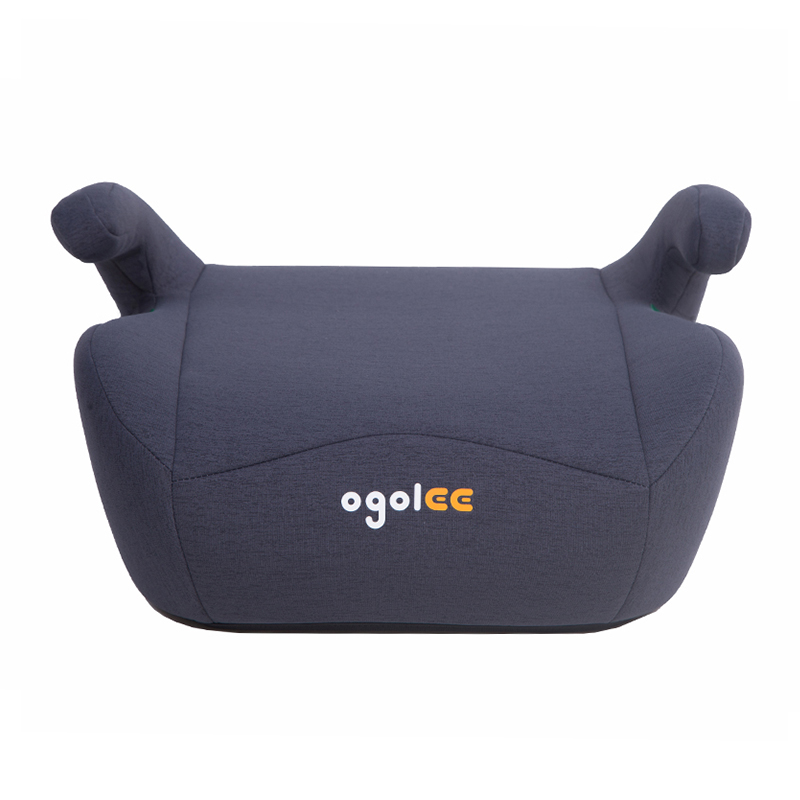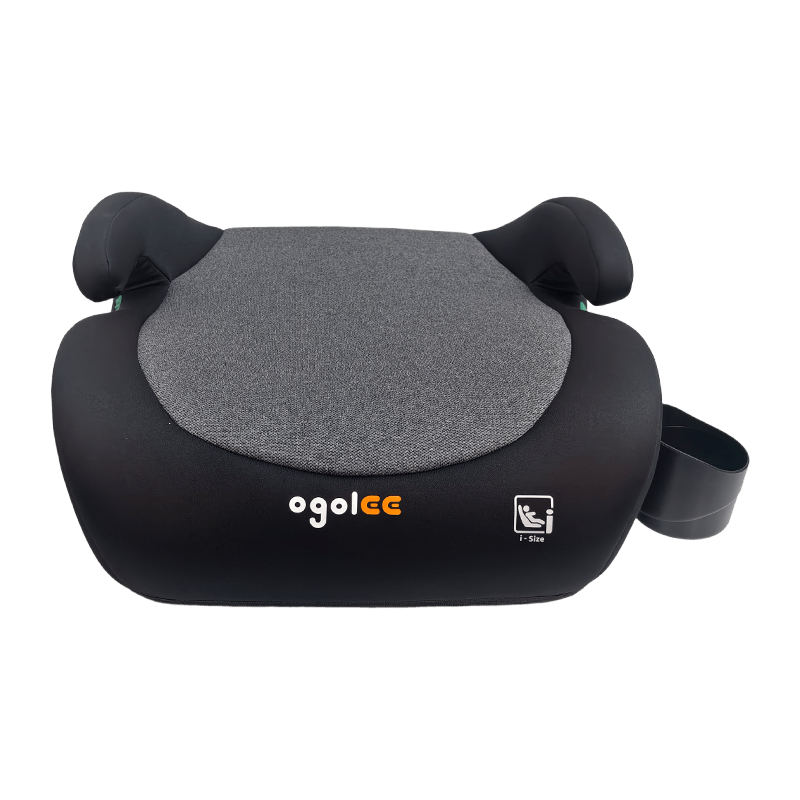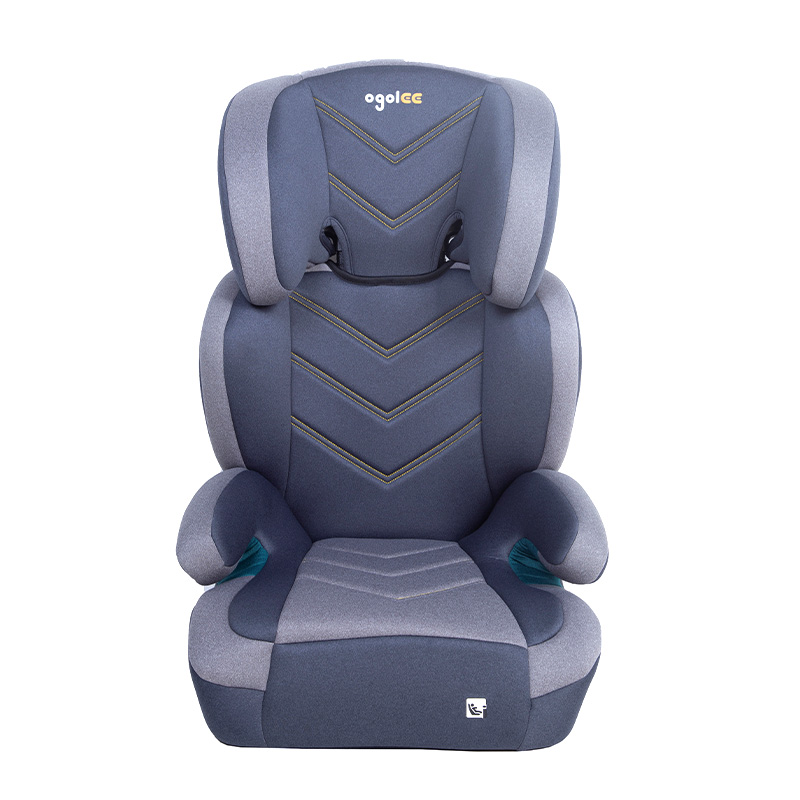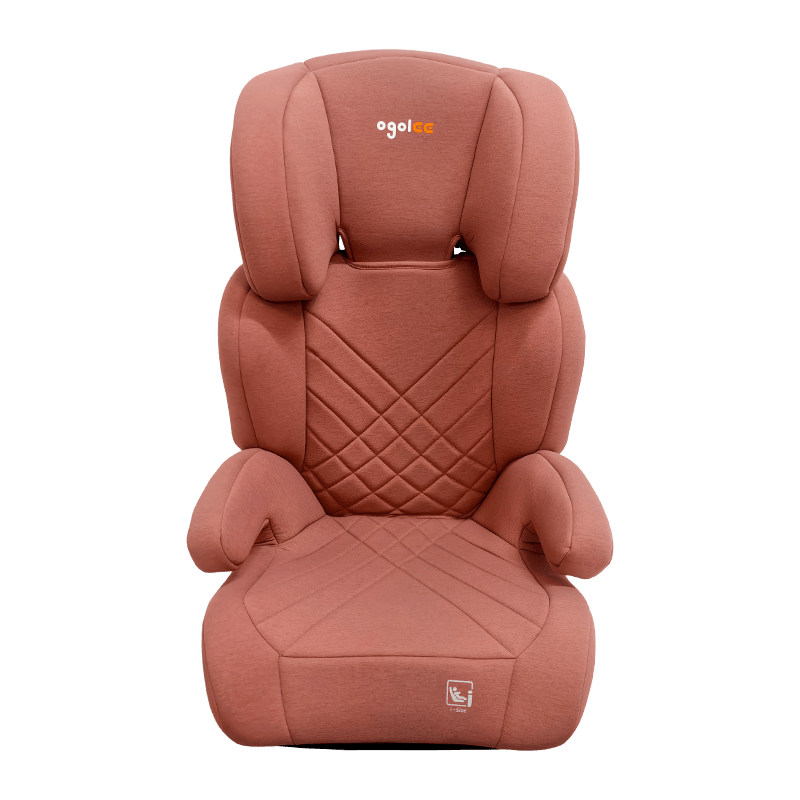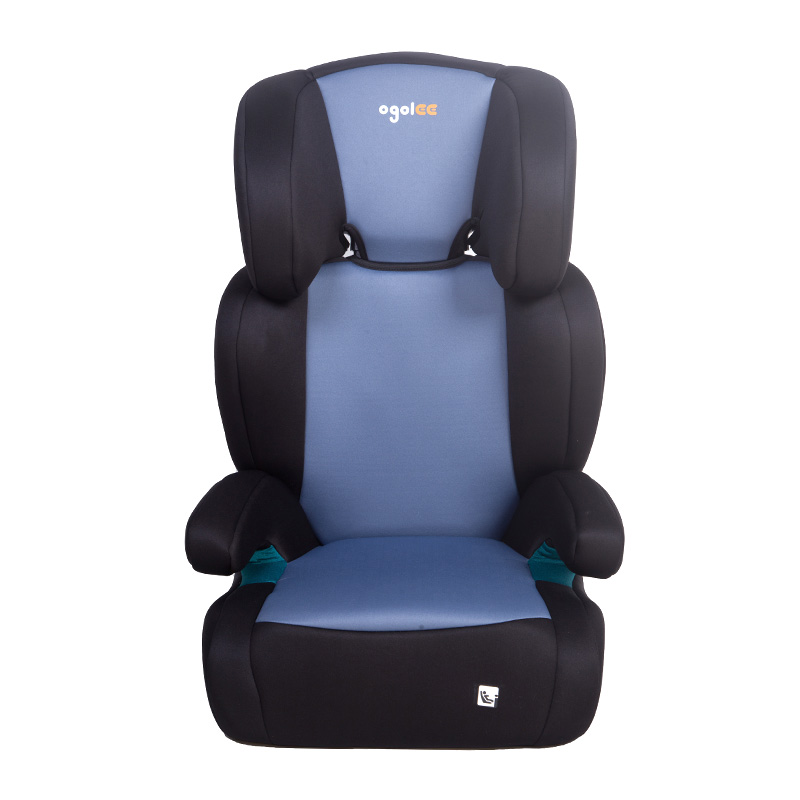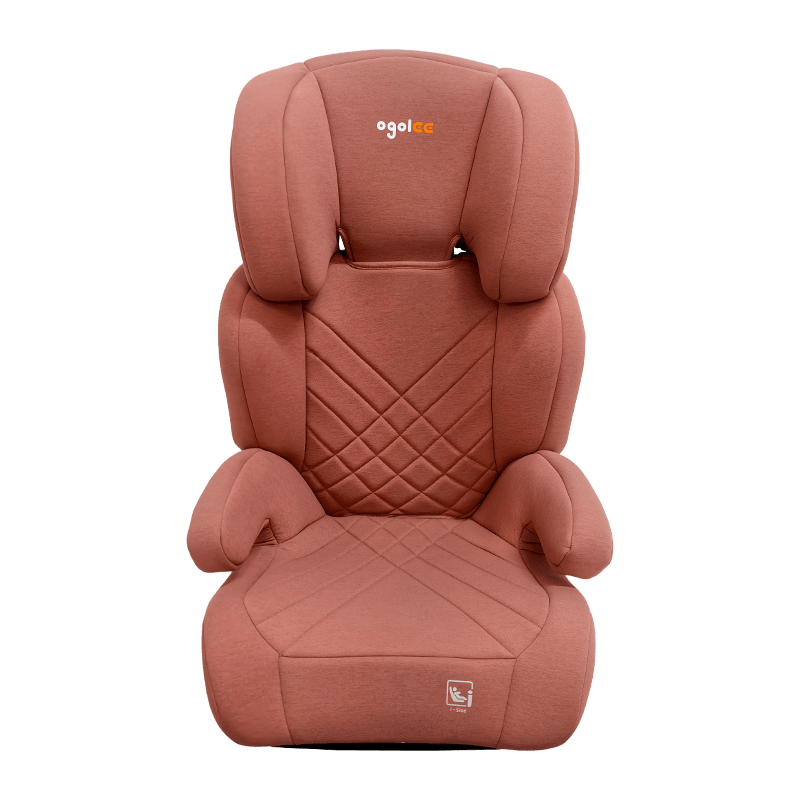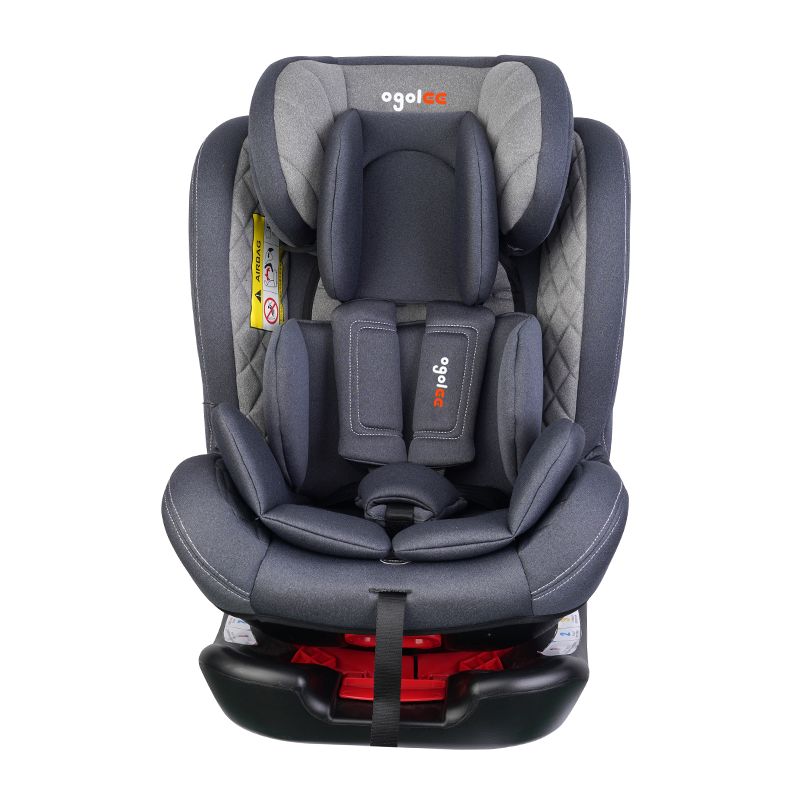


Uma cadeirinha de carro falsificada é um sistema de retenção infantil falso que não passou nos testes oficiais de colisão e é vendido como se fosse um produto genuíno e certificado. Não protegerá uma criança em caso de colisão e pode falhar de forma a causar ferimentos graves. A maneira mais rápida de identificar um é verificar as etiquetas de certificação, o manual de instruções, o cartão de registro e a condição estrutural do assento antes de comprar.
Por que assentos de carro falsificados são perigosos
Os assentos falsificados são perigosos porque não possuem os recursos de segurança projetados que os assentos certificados devem oferecer em caso de colisão. Ao contrário dos assentos de carro regulamentados, os assentos falsos não são testados contra colisões e não oferecem garantia de proteção da cabeça, resistência do arnês ou integridade da fivela.
Os assentos certificados são projetados com base em testes de impacto e padrões de materiais específicos. As falsificações são feitas de plástico de baixa qualidade, tiras fracas e fivelas baratas que podem deformar, esticar ou soltar sob força. Em uma colisão frontal, a carcaça falsa do assento pode rachar, permitindo que a criança seja arremessada; num impacto lateral, não há estrutura de absorção de energia. Mesmo em baixa velocidade, o arnês pode afrouxar e causar ferimentos na cabeça ou internos.
O perigo é agravado porque muitas falsificações se parecem com o original. Os pais e instaladores podem acreditar que o assento é seguro, apertá-lo corretamente e ainda assim colocar a criança em um sistema de retenção que não oferece proteção. Esta falsa sensação de segurança é uma das principais razões pelas quais as agências de segurança alertam sobre o aumento de imitações de assentos de automóveis.
- Nenhum dado de teste de colisão de qualquer autoridade reconhecida
- Conchas feitas de plástico quebradiço ou reciclado
- Correias do arnês que esticam ou rasgam sob pressão
- Fivelas que se soltam inesperadamente durante o movimento
- Sem proteção contra impactos laterais ou apoio de cabeça
- Nenhum sistema de recall porque não há registro
O que uma cadeirinha de carro genuína certificada deve ter
Uma cadeirinha de carro genuína certificada sempre tem uma etiqueta transparente e permanente, um manual de instruções completo, um cartão de registro e um arnês totalmente funcional. Estes elementos não são opcionais; é assim que você verifica a autenticidade e o uso seguro.
Dependendo do mercado, um assento compatível é certificado de acordo com padrões como ECE R44, ECE R129 (i-Size), FMVSS 213 ou regulamento 3C da China. A etiqueta do assento inclui o nome do fabricante, número do modelo, data de fabricação e peso legal ou faixa de altura. O manual contém diagramas de instalação, avisos e detalhes de contato, e o cartão de registro permite registrar o assento para avisos de recall. O assento em si possui um arnês de cinco pontos, um clipe para o peito, uma placa divisora atrás do assento e uma concha de absorção de energia.
| Recurso | Assento certificado genuíno | Falsificação típica |
|---|---|---|
| Selo de certificação | Adesivo permanente ou etiqueta em relevo com padrão válido | Etiqueta ausente ou de papel com padrão falso |
| Manual e cartão de registro | Incluído para cada unidade | Ausente ou mal fotocopiado |
| Sistema de arnês | Arnês de 5 pontos, clipe para o peito, placa divisora | Falta clipe no peito, alças finas, costura ruim |
| Material da casca | Plástico projetado com proteção contra impacto | Plástico fino, quebradiço ou reciclado |
| Data de fabricação | Claramente impresso com o número do modelo | Ausente ou desfocado |
| Preço | Consistente com o canal oficial | Muitas vezes com descontos suspeitos |
| Fornecedor | Revendedores autorizados e fábricas certificadas | Vendedores on-line ou vendedores ambulantes desconhecidos |
Como identificar uma cadeirinha de carro falsificada: 7 sinais de alerta
Você pode identificar a maioria dos assentos de carro falsificados verificando sete sinais de alerta práticos antes de concluir a compra.
- Um preço anormalmente baixo. Se um novo assento for vendido por uma fração do preço oficial, o desconto geralmente vem da omissão da certificação e dos testes, e não da economia na cadeia de abastecimento.
- Uma marca desconhecida ou não verificável. Nenhum site oficial, nenhum número de atendimento ao cliente e nenhum endereço físico indicam um produto não compatível.
- Erros de etiqueta. Procure etiquetas faltantes, data de fabricação faltante, erros ortográficos e ausência de um padrão válido, como ECE R129 ou R44. Uma etiqueta real é permanente, não um adesivo de papel que pode ser facilmente removido.
- Falta manual e cartão de registro. Um assento genuíno sempre inclui um manual do proprietário e um cartão de registro. A ausência deles é uma das bandeiras vermelhas mais claras.
- Arnês e fivela de baixa qualidade. Verifique se há um clipe no peito e uma placa divisora. Se as tiras parecerem finas, ásperas ou não apertarem suavemente, o assento provavelmente é falso.
- Embalagem sem informações do fabricante. Os produtos genuínos são enviados em caixas com logotipos de marca, códigos de produto, números de lote e detalhes de garantia.
- Vendido em mercados não oficiais. Os dispositivos de segurança não devem ser adquiridos em sites de listagem ou páginas de comércio social onde o vendedor é anônimo e não pode fornecer prova de origem.
Onde comprar assentos de carro genuínos
A maneira mais segura de comprar uma cadeirinha de carro genuína é comprando diretamente do fabricante, de um distribuidor autorizado ou de uma loja física de boa reputação que trabalhe com marcas certificadas. Essas fontes fornecem certificados válidos, documentação de fábrica e suporte pós-venda.
Se você é pai ou mãe, peça ao vendedor o número da etiqueta de certificação e compare-o com o site do fabricante. Se você for um comprador atacadista, verifique se o fornecedor possui Certificações ECE e 3C antes de fazer um pedido. Um fabricante certificado compartilhará abertamente relatórios de teste e documentação de lote.
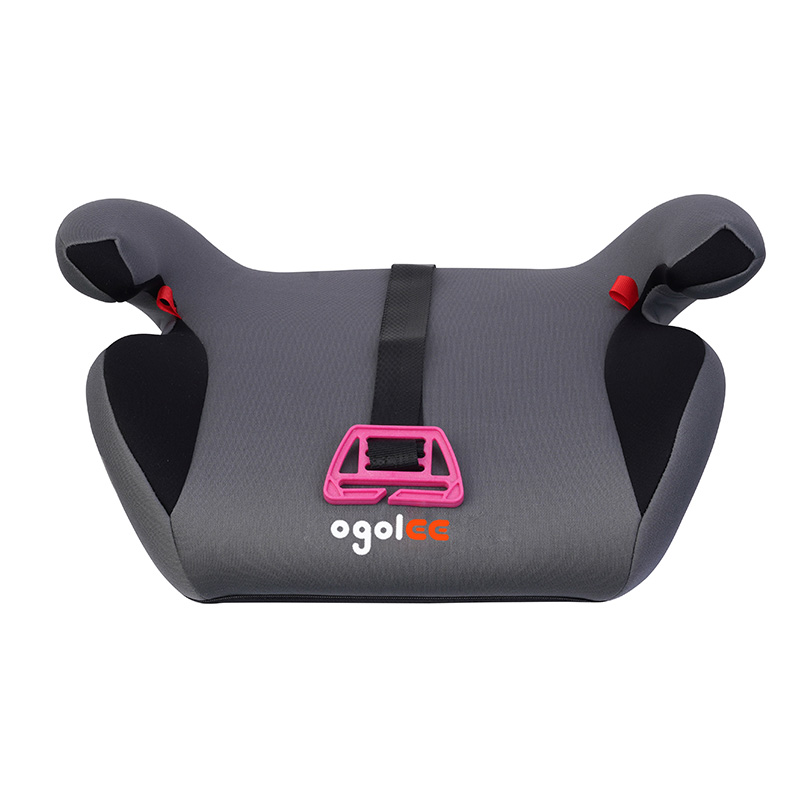
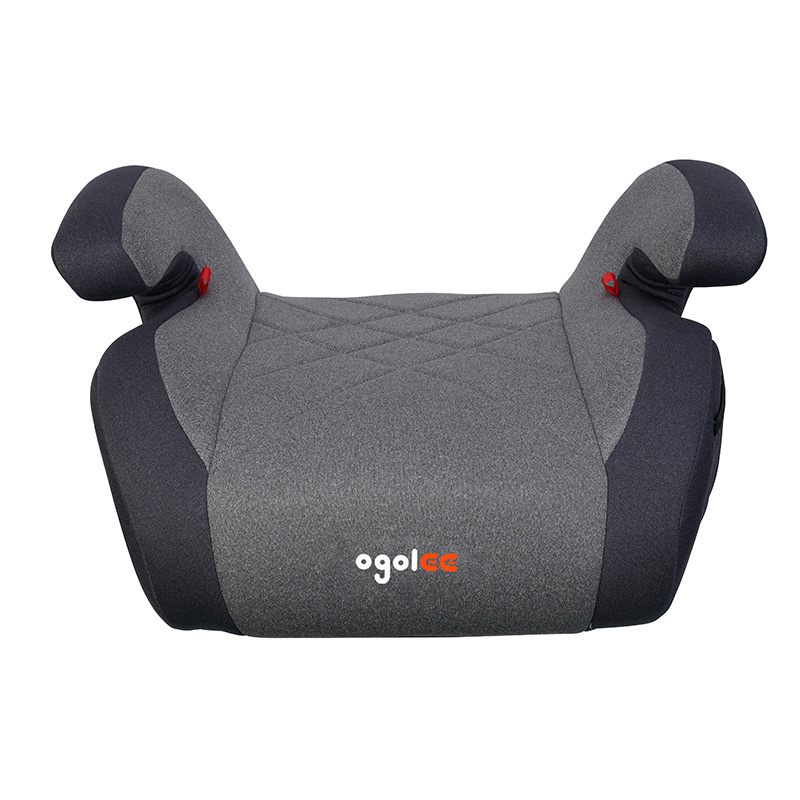
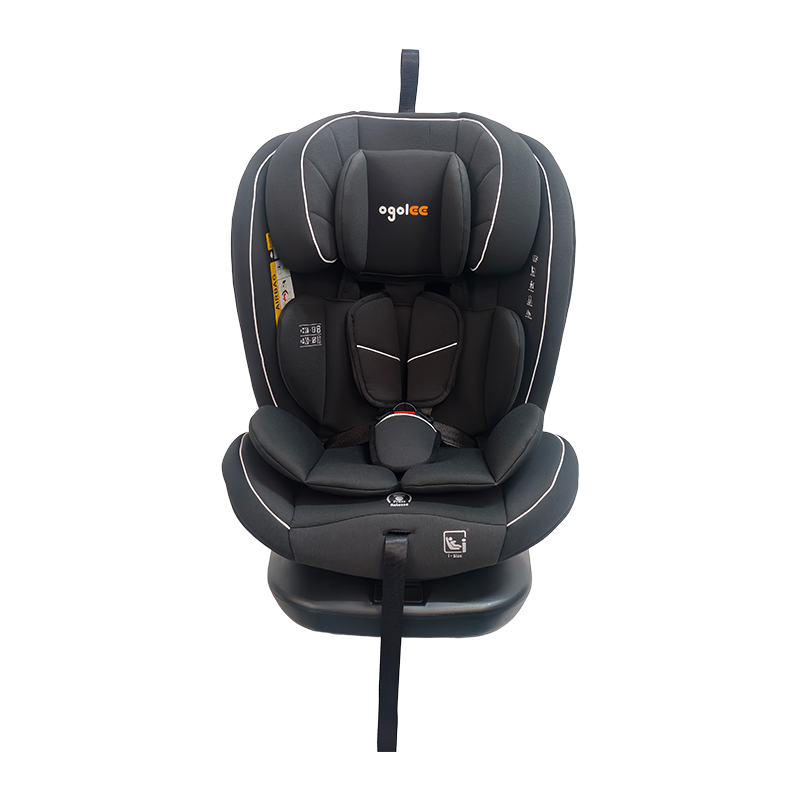
Para uma criança que utilizará a cadeira durante vários anos, Assento de carro certificado R129 de 40-150 cm com rotação de 360 graus abrange a transição da posição voltada para trás para a posição voltada para a frente e depois para o modo booster. Para famílias que trocam de veículo com frequência, um Assento elevatório portátil R129 para crianças de 125 a 150 cm é uma opção compacta que ainda oferece proteção testada contra impactos laterais.
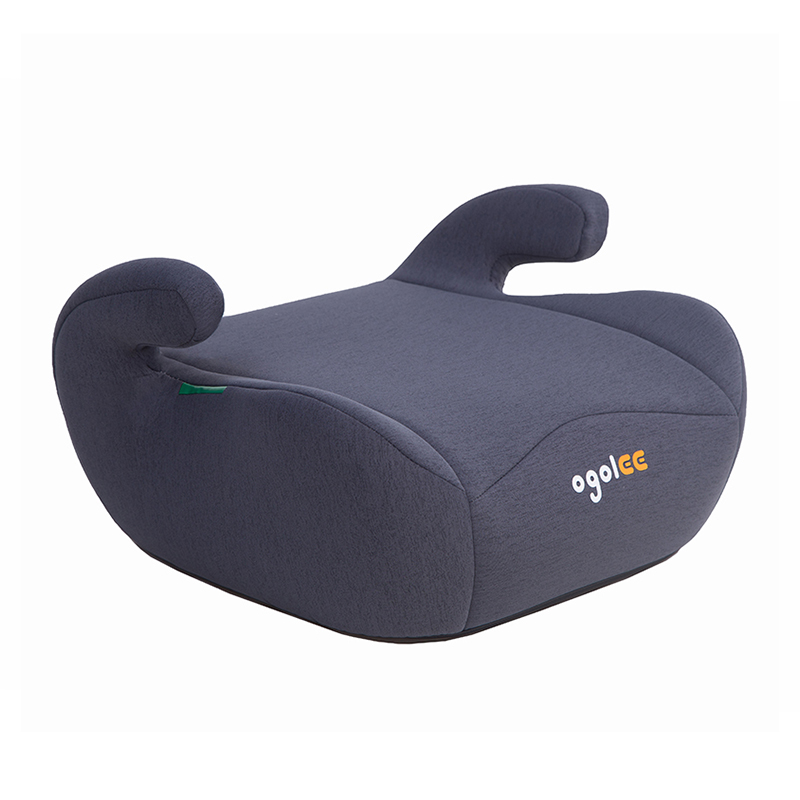 OG103A ECE R129 Assento elevatório portátil para carro para bebê 125-150CM Fornecedores de assento de segurança, Yougaole é um fornecedor profissional de assento de segurança para carro portátil OG103A ECE R129 da China OG103A ECE R129 e fornecedor personalizado de assento de segurança OG103A ECE R12... Ver Produto →
 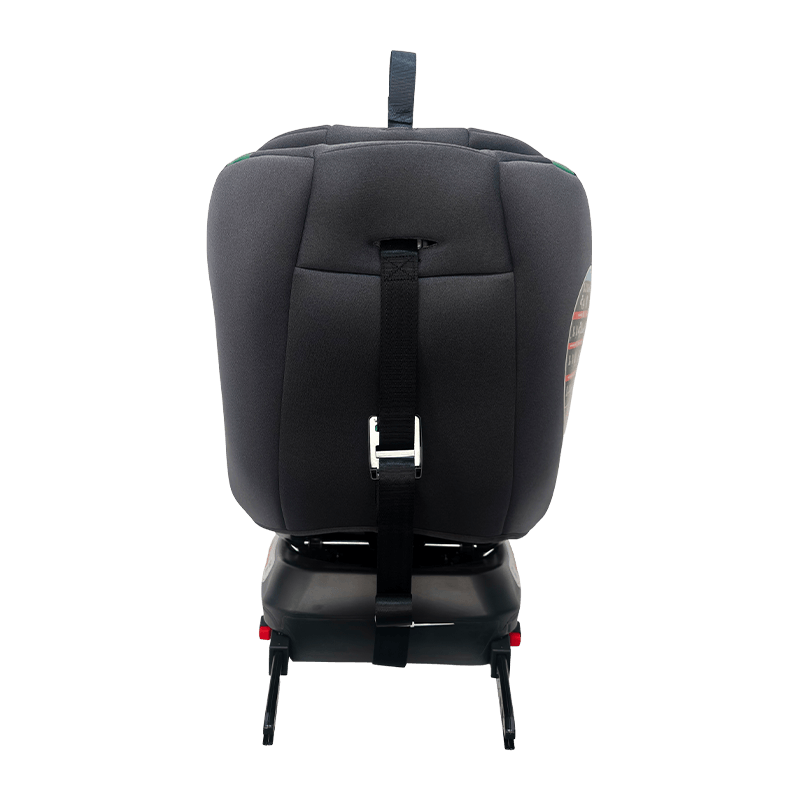 Fornecedores de assento de carro para bebê Isize com rotação de 360 graus, empresa personalizada Yougaole é um fornecedor profissional de assentos de carro para bebês com rotação de 360 graus na China e uma empresa de assentos de carro para bebês iSize, ECE R129 isize isofix personalizado... Ver Produto →
 O que um fabricante faz para combater as falsificações
Um fabricante certificado evita falsificações controlando toda a cadeia de produção e fornecendo documentação transparente para cada assento que envia. Quando uma fábrica projeta e testa seus próprios produtos, ela pode provar que cada lote é genuíno e está em conformidade.
Na nossa fábrica, cada cadeira auto é construída de acordo com os requisitos ECE R129 ou R44, recebe uma etiqueta permanente com um modelo e código de data únicos e é embalada com manual e cartão de registo. Mantemos registros de engenharia e testes para cada produção para que os parceiros atacadistas possam verificar a origem de cada unidade. Também apoiamos projetos OEM e ODM, o que significa que os clientes recebem um contrato, um arquivo de certificação e um processo de inspeção de produto, em vez de mercadorias não verificáveis de um intermediário.
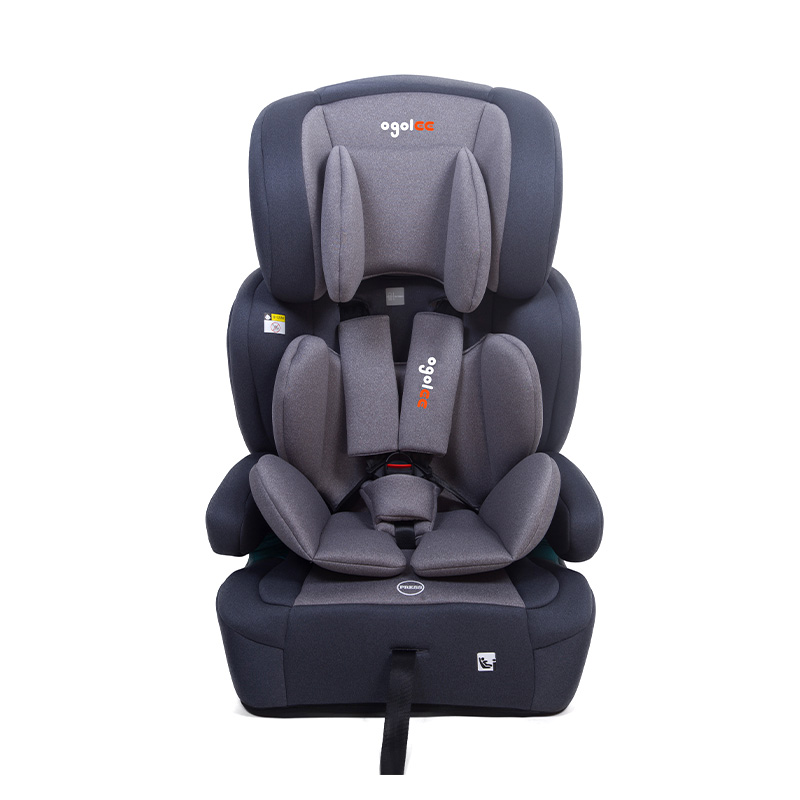
Os compradores que procuram uma alternativa bem documentada podem escolher um Assento elevatório leve R44 para 15-36 kg , que utiliza o mesmo sistema de controle de qualidade e vem com clara certificação de fábrica. Isto ajuda os retalhistas e distribuidores a evitar o mercado cinzento e a oferecer aos utilizadores finais um produto com um histórico rastreável.
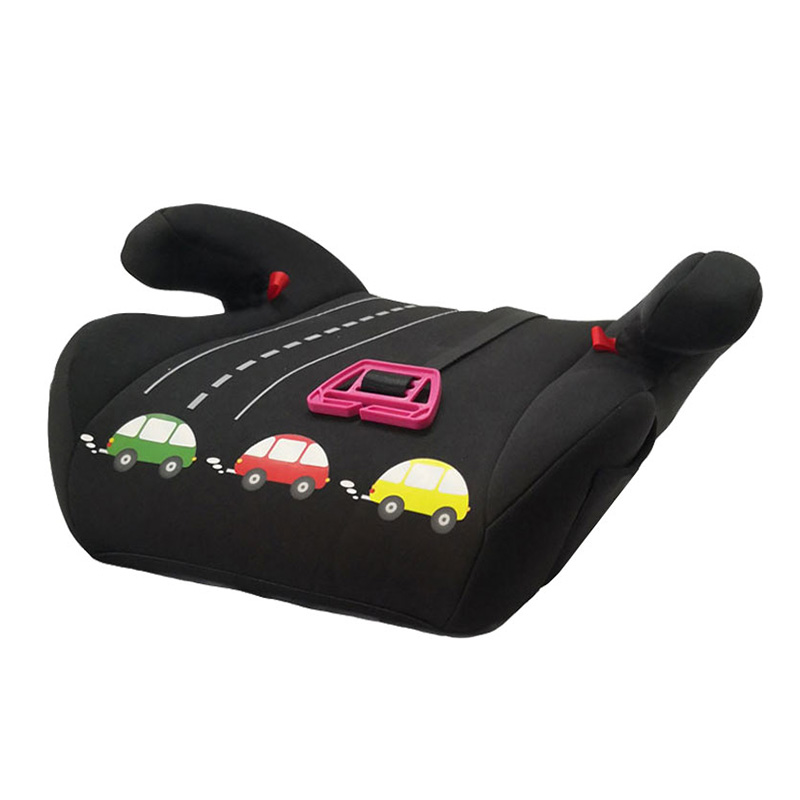 Certificado E1 SU do grupo 23 E1 do assento de carro portátil de pouco peso do impulsionador de ZK601A Yougaole é um fornecedor profissional de certificado China ZK601A leve e portátil com reforço para carro 15-36KG Grupo 23 E1 e ZK601 personalizado... Ver Produto →
 Perguntas frequentes
O que devo fazer se comprar uma cadeirinha de carro falsificada?
Pare de usá-lo imediatamente. Entre em contato com o varejista para obter um reembolso, denuncie o vendedor à plataforma e notifique a marca original ou uma agência nacional de proteção ao consumidor. Não tente reparar ou modificar um assento falsificado, pois sua fraqueza estrutural não pode ser corrigida.
Uma cadeirinha de carro falsificada ainda pode oferecer alguma proteção?
Não. Sem testes de colisão, não há como saber como o assento se comportará em caso de impacto. Mesmo uma colisão em baixa velocidade pode quebrar a carcaça ou soltar o arnês. O facto de um assento se assemelhar visualmente a um modelo certificado não significa que ofereça a mesma proteção.
É seguro comprar uma cadeirinha de carro usada?
Um assento usado só é seguro se o proprietário original puder fornecer o manual, cartão de registro, etiqueta de data de fabricação e nenhum histórico de acidentes. Se algum deles estiver faltando, não compre. Os assentos usados também aumentam o risco de danos ocultos e peças de reposição falsificadas, portanto, um novo assento certificado geralmente é a melhor escolha.
Qual é a diferença entre ECE R44 e R129?
ECE R129, também conhecido como i-Size, é o padrão europeu mais recente que inclui testes de colisão lateral, ajuste baseado em altura e requisitos mais rígidos de proteção da cabeça. ECE R44 é um padrão mais antigo baseado em peso. O mais importante diferenças entre R129 e R44 afetam a seleção do tamanho do assento, a compatibilidade do veículo e a segurança contra impactos laterais.
Assentos de carro falsificados não são uma oportunidade de economia; eles são uma ameaça direta à vida de uma criança. Ao verificar as etiquetas, o hardware do arnês, o manual de instruções e a certificação do fornecedor, você pode identificar falsificações antes que elas entrem em seu carro ou em seu estoque. Os pais devem comprar de vendedores aprovados e os compradores atacadistas devem trabalhar com fabricantes certificados que possam provar que cada assento é baseado em um design testado.