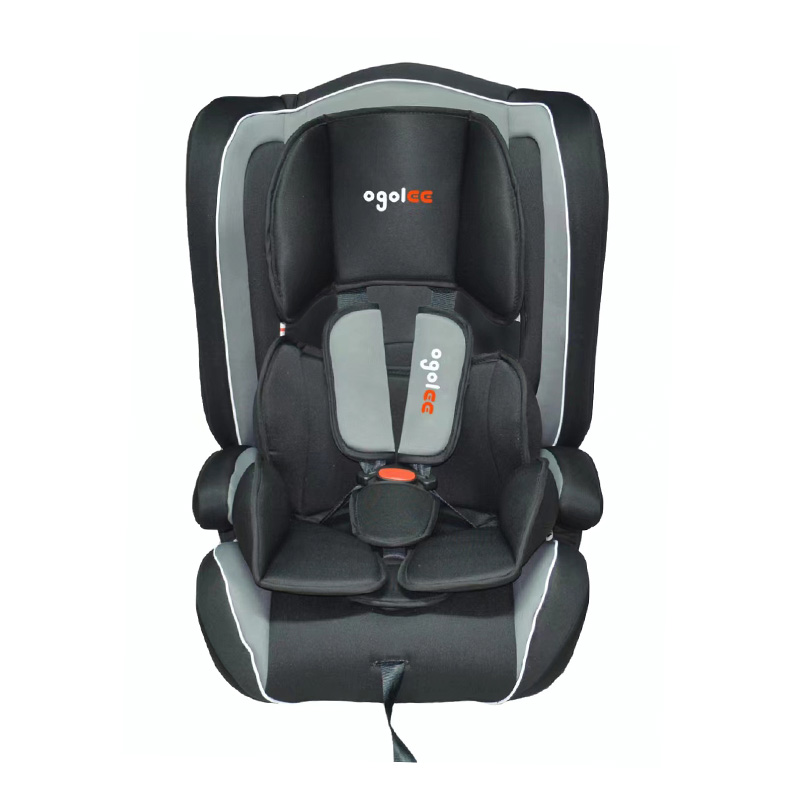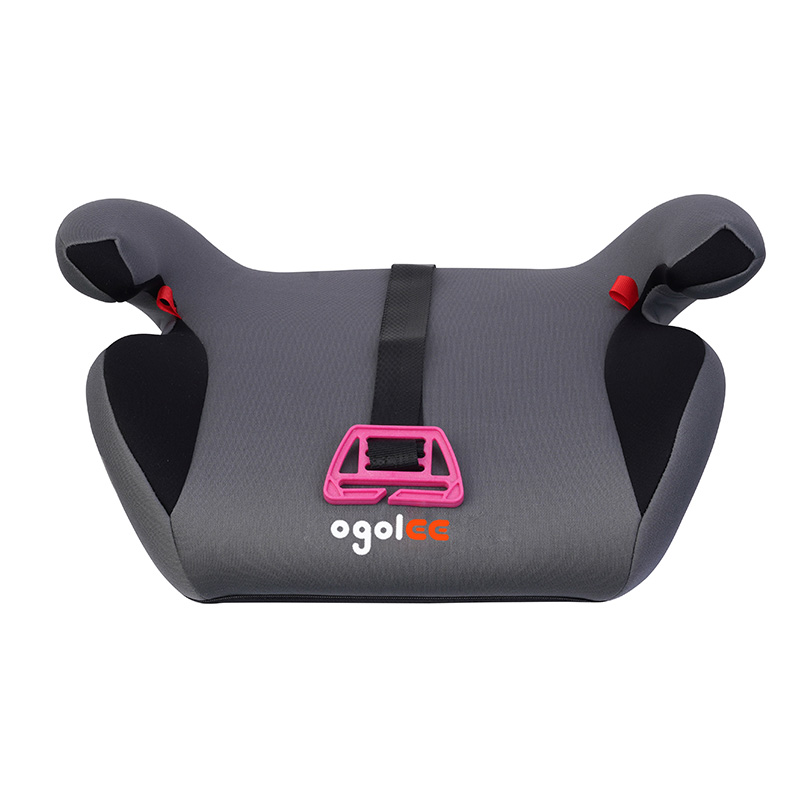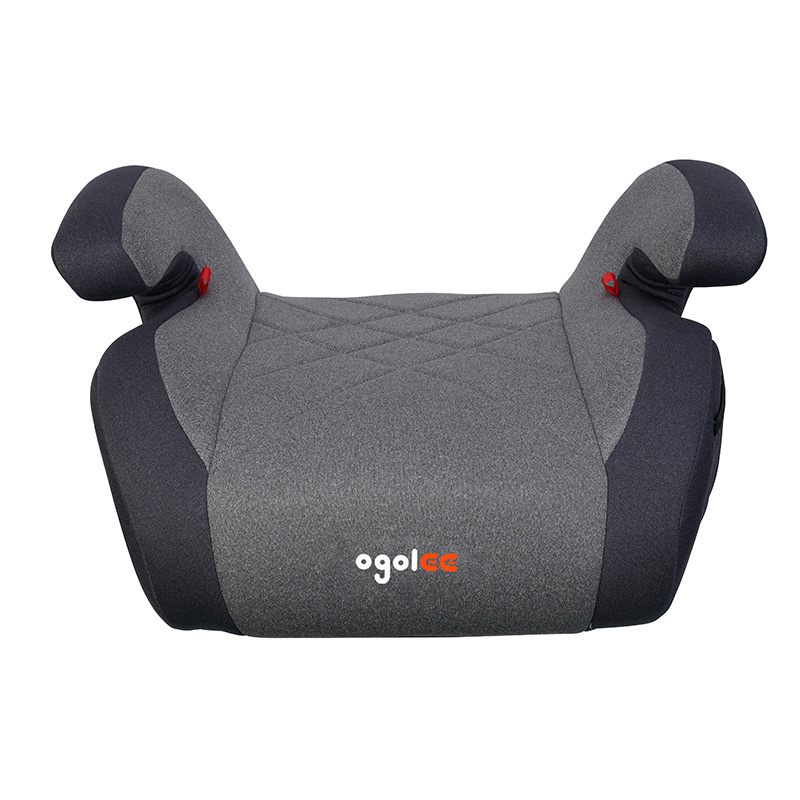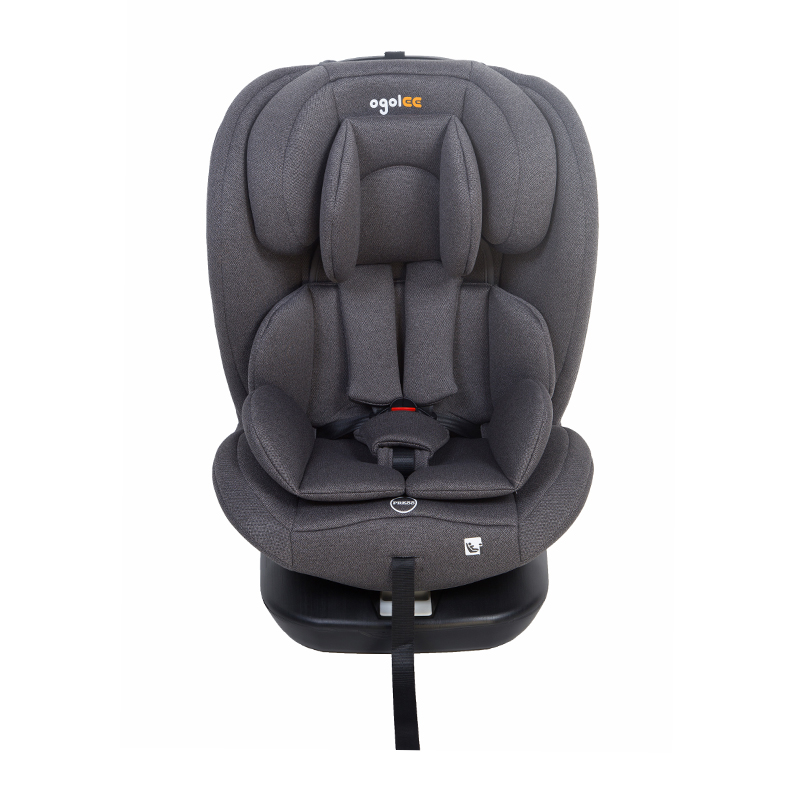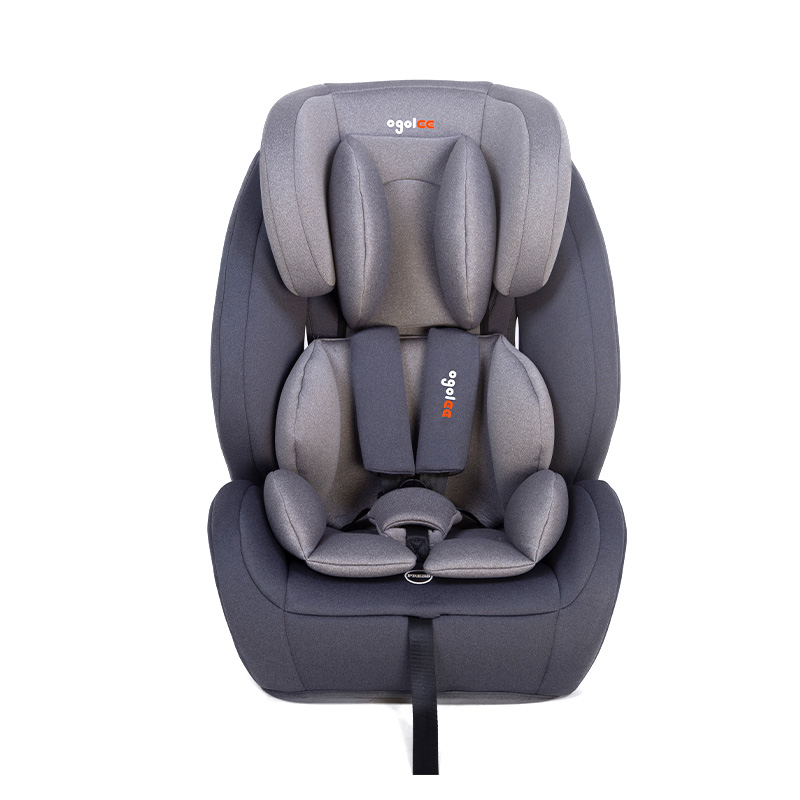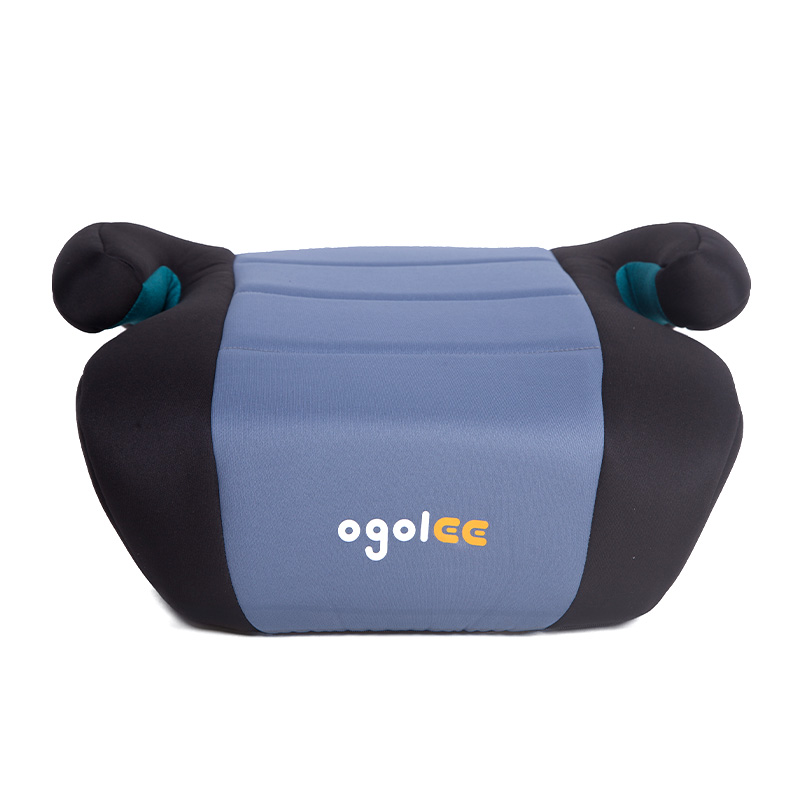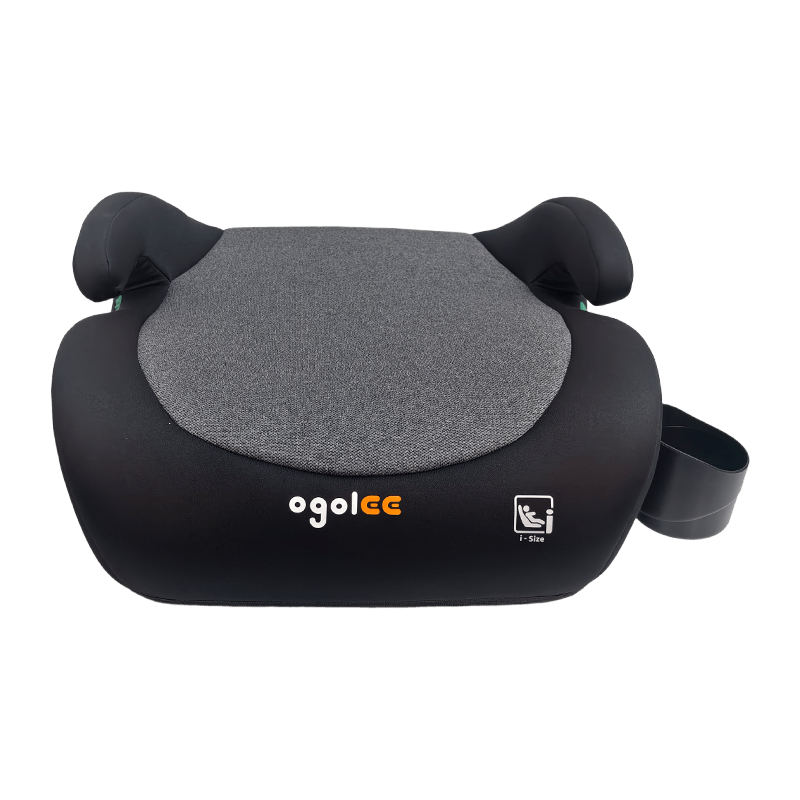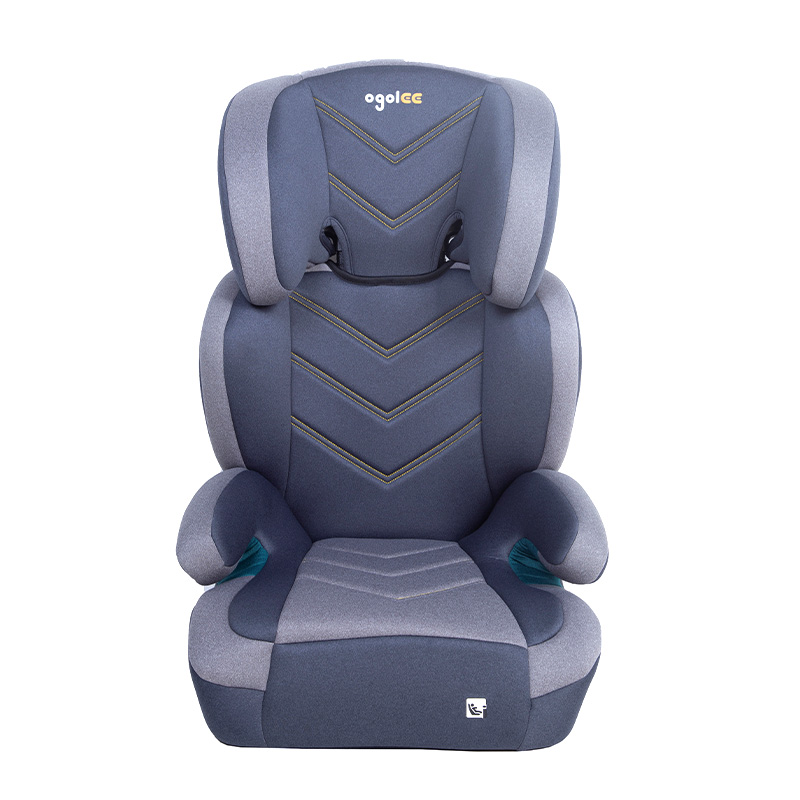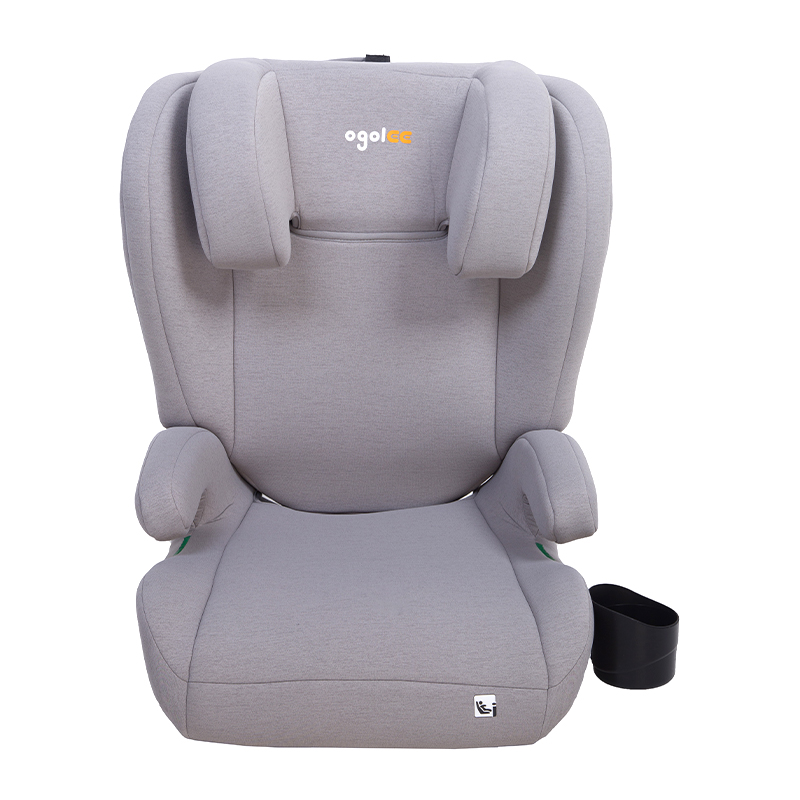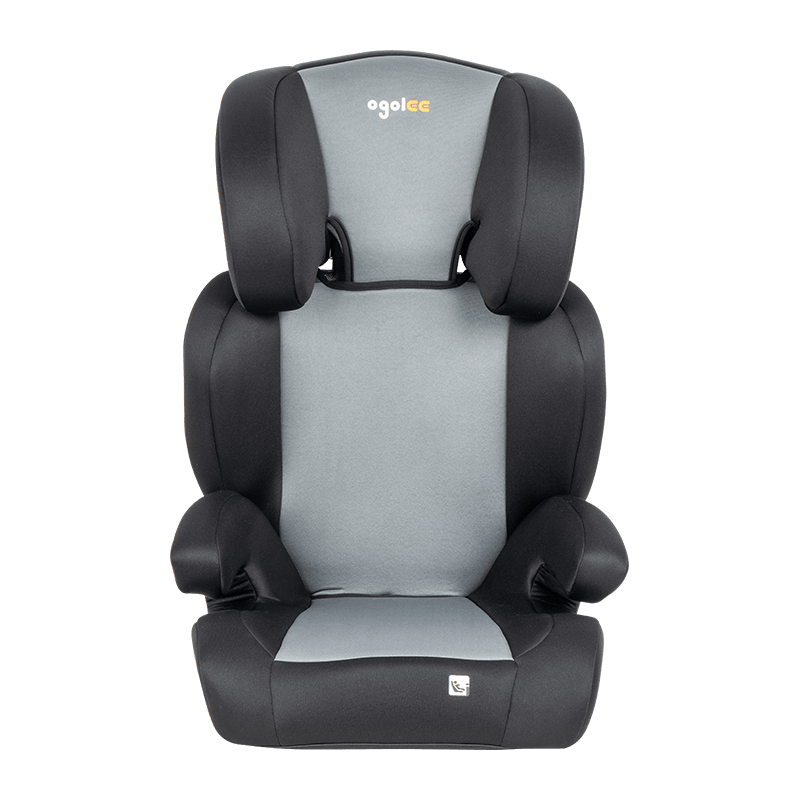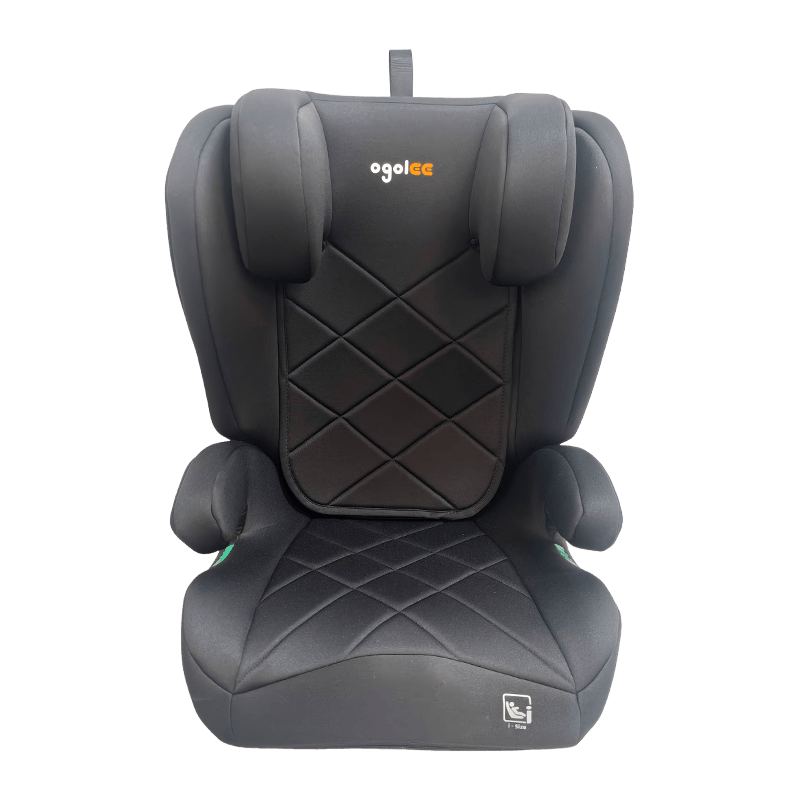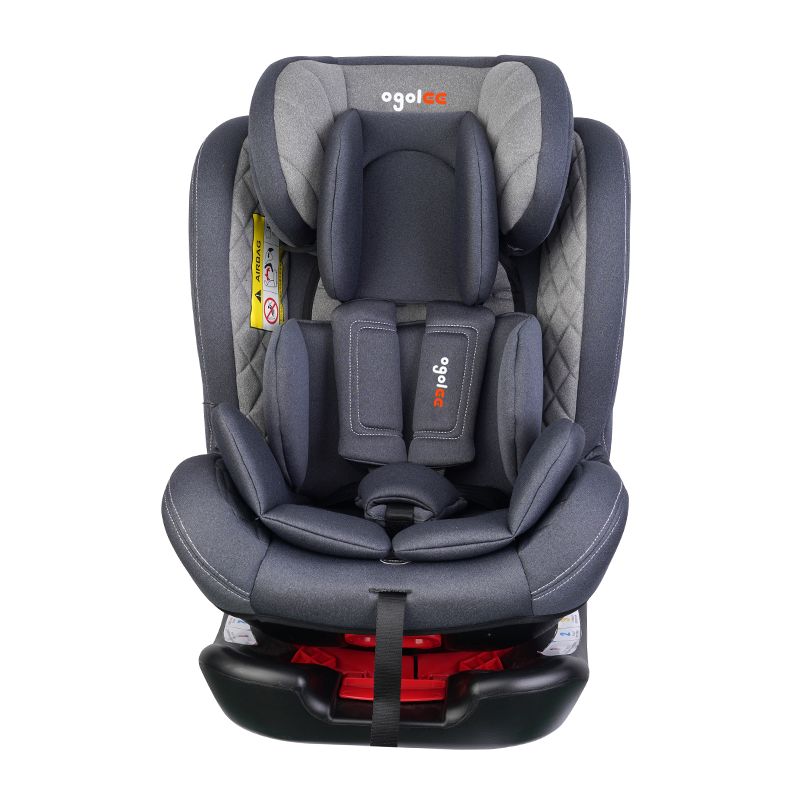


O melhor criança magra assento de carro para uma instalação de três transversais é aquela que mede 17 polegadas ou menos de largura ao mesmo tempo que atende a todos os padrões de segurança federais – e várias opções excelentes agora atingem essa marca sem sacrificar o conforto ou a longevidade. Quer você dirija um sedã compacto, um SUV de médio porte ou uma minivan com espaço reduzido entre os bancos traseiros, escolher um assento conversível de perfil estreito ou um assento multifuncional pode fazer a diferença entre um arranjo familiar viável e uma luta diária.
Este guia cobre tudo o que você precisa saber: como medir o banco traseiro do seu veículo, por que a largura do assento é importante além do óbvio, quais recursos priorizar, uma comparação lado a lado das principais opções estreitas e respostas às perguntas mais comuns dos pais.
Por que uma cadeirinha infantil estreita é mais do que apenas um truque para economizar espaço
Uma cadeirinha de carro mais estreita não apenas permite que você aperte três crianças lado a lado - ela também reduz a interferência no painel da porta, facilita o empenamento e evita o desconforto ombro a ombro que leva ao deslocamento do assento ao longo do tempo. De acordo com a Administração Nacional de Segurança de Tráfego Rodoviário (NHTSA), 59% dos assentos de carro estão instalados incorretamente , e as condições de instalação restritas são um dos principais fatores que contribuem. Quando os assentos lutam por espaço, os cuidadores apressam o processo de fivela e ignoram a fixação da corda – duas das etapas de instalação mais críticas.
Além das configurações triplas, os assentos finos beneficiam as famílias com:
- Carros compactos — sedãs e hatchbacks onde os assentos padrão consomem muito da largura do banco traseiro de 42–46 polegadas.
- Fileiras de dois lugares em SUVs - onde um assento padrão próximo a um elevador pode bloquear a linha de visão traseira do motorista.
- Compartilhamento frequente de caronas ou caronas — onde o banco deve ser transferido de forma limpa entre veículos com diferentes dimensões de banco.
- Famílias com gêmeos - que precisam de assentos iguais lado a lado, sem que um deles se projete na porta.
Como avaliar se uma cadeirinha infantil estreita realmente cabe no seu veículo
O teste de pré-compra mais confiável é medir a largura do banco traseiro e dividir por três – o resultado é o seu orçamento por assento. A maioria dos bancos traseiros em veículos norte-americanos variam de 52 a 60 polegadas transversalmente, o que significa que três transversais funcionam quando cada assento tem 17–19 polegadas de largura, dependendo da sobreposição do contorno.
Guia passo a passo de medição de veículos
- Meça porta a porta: Fita métrica plana ao longo da superfície da almofada do banco traseiro, de um painel interno da porta ao outro. Observe este número.
- Subtraia a intrusão da porta: Apoios de braços, bolsos para mapas e curvatura da porta roubam, cada um, 1–3 polegadas. Subtraia um total de 4 polegadas como um buffer conservador.
- Verifique as hastes da fivela do cinto de segurança: As hastes da fivela central adicionam largura. Se a haste central for alta, um assento com base baixa poderá passar por cima dela - confirme a compatibilidade com a lista do fabricante.
- Verifique o posicionamento da âncora: O uso prolongado voltado para trás requer âncoras traseiras ou pontos superiores; confirme se os seus estão acessíveis quando os assentos estiverem lado a lado.
- Teste antes de comprar: Muitos varejistas permitem uma devolução de 30 dias. Instale todos os três assentos nas posições pretendidas antes de descartar a embalagem.
Quais recursos são mais importantes em uma cadeirinha infantil estreita
O melhor slim toddler car seat balances a narrow footprint against the features that keep children safe and comfortable over years of use. Prioritize in this order:
1. Classificações e certificações de segurança
Todas as cadeirinhas vendidas nos EUA devem atender aos padrões federais FMVSS 213. Procure também assentos que tenham passado no Avaliação de facilidade de uso do IIHS (Instituto de Seguros para Segurança Rodoviária) com classificação "A" ou "Aceitável" - isso verifica de forma independente se o ajuste, a instalação e a etiquetagem do chicote funcionam conforme o esperado. Em 2024, o IIHS atribuiu classificações máximas a menos de 30% dos assentos conversíveis testados, portanto a certificação tem peso real.
2. Limites de peso e altura voltados para trás
A posição voltada para trás estendida (ERF) é recomendada pela Academia Americana de Pediatria até que a criança ultrapasse o limite voltado para trás do assento. Um criança magra car seat que suporta a posição voltada para trás até pelo menos 40 libras, dá à maioria das crianças dois a três anos adicionais de segurança voltada para trás, além dos assentos infantis. Os limites mais altos voltados para trás (normalmente 43-49 polegadas) são mais importantes do que os limites de peso para a maioria das crianças, uma vez que as crianças tendem a atingir o limite de altura primeiro.
3. Facilidade de uso do sistema de arnês
Um arnês sem recauchutagem – onde você ajusta a altura dos ombros sem remover e redirecionar as tiras do arnês – economiza tempo e reduz a tentação de usar o slot errado. Esta característica é especialmente importante em assentos finos, onde o espaço interior é reduzido. Procure pelo menos 5 posições de altura do arnês cobrindo uma faixa de aproximadamente 7 a 18 polegadas.
4. Acomodação de âncora inferior LATCH
Os conectores LATCH em assentos finos às vezes são reposicionados ou embutidos para evitar interferência com assentos adjacentes. Confirme se os braços LATCH se estendem o suficiente para alcançar os pontos de ancoragem em seu veículo e se o limite de peso combinado (assento infantil) não excede o limite inferior de ancoragem de 65 lb do veículo - após o qual a instalação do cinto é necessária.
5. Proteção contra impactos laterais
As colisões com impacto lateral são responsáveis por aproximadamente 25% das mortes em acidentes de veículos envolvendo crianças (NHTSA). Asas de espuma com absorção profunda de energia, conchas reforçadas com aço ou barras anti-rebote contribuem para a proteção lateral. Em assentos finos, esta proteção às vezes é reduzida para atingir um perfil mais estreito – verifique com os dados de testes de impacto lateral publicados pelo fabricante.
Comparação de assentos de carro finos para crianças: resumo das principais especificações
A tabela abaixo compara quatro tamanhos de perfil comuns encontrados em modelos populares de assentos infantis finos para ajudá-lo a identificar qual nível de especificação se adapta ao seu veículo e à faixa etária da criança.
| Largura do assento | Limite de peso de RF | Limite de Peso FF | Limite de peso de reforço | Arnês sem recapitulação | Ajuste de três lados |
|---|---|---|---|---|---|
| ≤ 16 pol. | Até 40 libras | Até 65 libras | Até 100 libras | Muitas vezes sim | Excelente |
| 17 pol. | Até 45 libras | Até 65 libras | Até 120 libras | Geralmente sim | Bom |
| 18–19 em | Até 50 libras | Até 80 libras | Até 130 libras | Varia | Dependente do veículo |
| ≥ 20 pol. | Até 50 libras | Até 90 libras | Até 140 libras | Varia | Geralmente não é possível |
Tabela 1: Especificações típicas de assentos de carro finos para crianças por categoria de largura. RF = voltado para trás, FF = voltado para frente. Os limites específicos variam de acordo com o modelo de assento individual; sempre verifique na página do produto do fabricante.
Virado para trás versus voltado para frente: como a largura do assento afeta a posição de segurança do seu filho
A largura de uma cadeirinha infantil estreita tem implicações diferentes dependendo da direção em que seu filho está andando. Os assentos voltados para trás distribuem as forças de colisão pelas costas, cabeça e pescoço da criança – mas também se estendem mais para a frente no interior do veículo, o que afeta o espaço para as pernas do passageiro dianteiro. Os assentos finos voltados para a frente, uma vez transferidos, ficam mais compactos, mas dependem fortemente do tirante superior para limitar a excursão da cabeça.
Fase voltada para trás (nascimento até ~ 40–50 lb)
No modo voltado para trás, a dimensão mais crítica não é a largura, mas ângulo de instalação . A maioria dos assentos conversíveis finos inclui uma base ajustável que reclina no ângulo de 30–45° necessário para recém-nascidos e, em seguida, ajusta-se na vertical à medida que a criança cresce. Confirme se a faixa de reclinação voltada para trás do assento funciona com o ângulo do assento do seu veículo - algumas minivans e picapes têm bancos traseiros inclinados para a frente que entram em conflito com os indicadores de reclinação padrão.
Fase voltada para frente (normalmente ~22–65 lb)
Quando uma criança excede o limite de altura ou peso voltado para trás, o assento fino do carro para crianças é convertido para frente. Nesta fase, prenda sempre o top tether – Dados da NHTSA mostram que o uso de corda reduz o movimento da cabeça em um acidente em até 4–6 polegadas , uma margem significativa na prevenção do contacto da cabeça com os bancos dianteiros. Muitos pais pulam a corda em configurações apertadas de três lados; um assento fino com pontos de fixação de corda facilmente acessíveis torna a conformidade mais provável.
Fase de reforço (normalmente ~ 40–120 lb)
Os assentos finos multifuncionais estendem o uso até a fase de reforço, que pode transportar crianças de até 100 a 130 libras – muito além do ponto em que a maioria das crianças passa a usar apenas cintos de segurança para adultos. No modo booster, o invólucro se estreita consideravelmente, geralmente para 15–16 polegadas, tornando mais fácil a passagem de três nesta configuração do que no modo de arnês.
Como instalar corretamente uma cadeirinha infantil estreita para carro sempre
A instalação correta não é negociável. Mesmo o assento fino mais estreito e rico em recursos não oferece nenhum benefício se instalado incorretamente. Siga estas etapas para instalações LATCH e baseadas em correia:
- Leia os dois manuais — o manual de instruções do banco E a secção do manual do proprietário do veículo sobre sistemas de retenção para crianças. Quando eles entram em conflito, o manual do veículo rege.
- Teste de joelho para firmeza — o assento instalado deve se mover menos de 2,5 cm da frente para trás e de um lado para o outro quando agarrado no caminho do cinto e puxado com firmeza.
- Verifique o ajuste do arnês - o teste de pinça: você não deve conseguir apertar o excesso de fita na clavícula da criança. O clipe torácico deve ficar na altura das axilas.
- Anexe o tirante superior (somente voltado para frente) à âncora de amarração dedicada – nunca a um gancho de carga, alça de bagagem ou dobradiça do encosto do banco.
- Agende uma inspeção gratuita - Técnicos de segurança de passageiros infantis certificados (CPSTs) oferecem verificações gratuitas de assentos em hospitais, bombeiros e eventos Safe Kids. Use o localizador NHTSA em nhtsa.gov para encontrar um perto de você.
Por que a data de validade de uma cadeirinha infantil estreita é realmente importante
Cada cadeirinha de carro tem uma data de validade, normalmente 6 a 10 anos a partir da data de fabricação estampado na casca ou etiqueta. Assentos de carro finos para crianças não são exceção. Os plásticos e compostos de espuma usados nos assentos de automóveis degradam-se com a exposição aos raios UV, ciclos de temperatura (invernos gelados e interiores de carros quentes podem oscilar 150°F ou mais) e desgaste normal. Os assentos expirados podem parecer estruturalmente sólidos, mas têm capacidade reduzida de absorver a energia do impacto.
Ao calcular o custo por ano de uso, leve em consideração a data de validade: um assento que custa US$ 280 e dura 10 anos custa US$ 28/ano . Um assento mais estreito de US$ 180 com custos de expiração de 6 anos $ 30/ano – essencialmente o mesmo, sem a longevidade adicional.
Assento de carro infantil fino versus largura padrão: qual você deve escolher?
O tipo certo de assento depende muito da sua situação específica. Use esta comparação para identificar qual categoria atende às suas necessidades:
| Fator | Assento de carro fino para criança (≤17 pol.) | Assento de largura padrão (18–21 pol.) |
|---|---|---|
| Montagem de três lados | Geralmente cabe | Raramente cabe |
| Profundidade da asa de impacto lateral | Moderado | Mais profundo (mais espuma) |
| Largura interior do assento infantil | Mais estreito (adequado para crianças magras/médias) | Mais largo (adequado para crianças maiores) |
| Faixa de preço médio | US$ 180–US$ 340 | US$ 120–US$ 400 |
| Compatibilidade com carro compacto | Excelente | Depende do modelo |
| Peso/portabilidade | Mais leve (média de 15–20 lb) | Mais pesado (média 18–28 lb) |
Tabela 2: Assentos de carro para crianças de largura padrão e finos comparados em seis fatores práticos. O desempenho real varia de acordo com o modelo específico do assento e do veículo.
Como limpar e manter uma cadeirinha infantil estreita sem anular a integridade da segurança
A limpeza de rotina mantém a higiene de uma cadeirinha infantil fina sem comprometer os materiais estruturais. A maioria dos fabricantes especifica:
- Capas de tecido: Lavável à máquina em ciclo suave/frio; secar apenas ao ar. O calor elevado encolhe as tampas e pode deformar os clipes de retenção.
- Cinta de arnês: Limpe apenas com sabão neutro e água morna. Nunca mergulhe as tiras do arnês nem use alvejante, spray desinfetante ou amaciante de roupas – eles degradam a resistência à tração do náilon.
- Concha de plástico: Limpe com um pano úmido e sabão neutro. Evite produtos de limpeza à base de petróleo.
- Após qualquer falha: Substitua o assento – mesmo que nenhum dano seja visível. A NHTSA recomenda a substituição após qualquer colisão moderada ou grave. Alguns fabricantes recomendam a substituição após qualquer falha.
Por que você deve evitar esses erros comuns de assentos de carro finos para crianças
Mesmo pais experientes cometem erros evitáveis ao escolher ou usar uma cadeirinha infantil estreita. Fique atento a estes:
- Comprar usado sem histórico completo - um assento que sofreu um acidente não relatado nunca deve ser reutilizado. Se você não conseguir confirmar o histórico sem falhas, compre um novo.
- Escolher a largura sem verificar a largura do tronco da criança - um assento de 16 polegadas de largura pode ser muito estreito para uma criança do percentil 90. Muitos fabricantes publicam a largura da ranhura do arnês interno; compare-o com a largura dos ombros do seu filho mais 1 polegada.
- Adicionando inserções de reposição — almofadas, almofadas de encosto de cabeça e suportes corporais não incluídos na embalagem original não são testados contra colisão com o assento e podem interferir na geometria do arnês.
- Colocar casacos de inverno volumosos sob o arnês - os casacos se comprimem em um acidente, criando uma folga perigosa. Vista as crianças em camadas finas e coloque cobertores sobre a criança aproveitada.
- Ignorando a corda porque "parece bom" - o assento pode parecer estável, mas sem a corda, o movimento da cabeça para frente em uma colisão pode ser de 10 a 15 cm maior do que quando ele está preso.
Perguntas frequentes sobre assentos de carro finos para crianças
P: O que é considerado uma cadeirinha infantil “fina”?
Uma cadeirinha infantil estreita é geralmente definida como uma medida 17 polegadas ou menos de largura externa no seu ponto mais largo (geralmente nas asas do arnês ou nos apoios de braços). Algumas fontes usam 16 polegadas como limite para assentos específicos "ultrafinos" ou "três transversais". Sempre meça o assento que você está considerando e compare com a largura do banco do seu veículo antes de comprar.
P: As cadeirinhas infantis finas são menos seguras do que as mais largas?
Não necessariamente. Todos os assentos vendidos nos EUA devem atender aos mesmos padrões federais de segurança (FMVSS 213), independentemente da largura. A compensação geralmente está na profundidade da asa de impacto lateral e no espaço interno para assentos infantis, e não na proteção frontal contra colisões. Escolha um assento que tenha passado em testes independentes (como avaliações do IIHS) e que esteja instalado corretamente – a instalação correta é mais importante do que a largura do assento na maioria dos cenários de colisão do mundo real.
P: Posso usar uma cadeirinha infantil estreita em qualquer veículo?
Um assento fino é mais universalmente compatível do que um largo, mas “qualquer veículo” não é garantido. Certos cupês, microcarros e veículos esportivos de duas portas têm bancos traseiros muito pequenos ou com ângulo inadequado para qualquer assento conversível. Sempre verifique o manual do proprietário do seu veículo para obter orientações de instalação voltadas para trás e para frente e verifique a lista de veículos aprovados do assento específico no site do fabricante.
P: Por quanto tempo uma criança pequena usará uma cadeirinha conversível fina?
Uma cadeirinha infantil conversível e fina normalmente atende crianças de aproximadamente 5 libras (se o fabricante suportar o uso de recém-nascidos) até 65 libras voltado para a frente . Para uma criança média que segue curvas de crescimento padrão, isso representa as idades de 0 a 4 anos no modo voltado para trás e de 4 a 6 anos no modo voltado para a frente. Os assentos finos multifuncionais estendem-se durante a fase de reforço até aproximadamente os 10-12 anos de idade, dependendo do tamanho da criança.
P: O LATCH ou o cinto de segurança do veículo são melhores para instalar uma cadeirinha infantil fina?
Nenhum deles é universalmente mais seguro – ambos os métodos, quando usados corretamente, resultam em proteção contra colisões equivalente. O LATCH costuma ser mais conveniente porque não exige que o cinto passe pelo caminho da fivela do veículo. No entanto, quando o peso da cadeira infantil exceder 65 libras no total (o limite federal de ancoragem inferior), mude para a instalação do cinto de segurança do veículo. Muitos CPSTs experientes preferem a instalação do cinto devido à sua previsibilidade em diferentes tipos de veículos.
P: Como posso saber quando meu filho já ultrapassou o tamanho do cinto fino da cadeirinha de carro?
Uma criança ultrapassou o limite voltado para trás quando a cabeça deles está a 2,5 cm do topo do assento (parte superior da concha, não encosto de cabeça) ou quando ultrapassarem o limite de peso impresso na etiqueta. Para o modo de arnês voltado para a frente, a criança ultrapassa o tamanho quando os ombros sobem acima da ranhura superior do arnês ou quando excedem o limite de peso. Nunca vire uma criança voltada para a frente simplesmente porque ela parece “grande o suficiente” – mantenha-a voltada para trás enquanto os limites do assento permitirem.
Conclusão: Escolhendo a cadeirinha de carro estreita e adequada para crianças
O ideal criança magra car seat é aquele que se adapta ao seu veículo, é sempre instalado corretamente, apoia seu filho em tantos estágios de crescimento quanto possível e passa por avaliações de segurança independentes. A largura é um filtro inicial – 17 polegadas ou menos para flexibilidade genuína – mas nunca deve substituir as classificações de segurança, instalação correta ou ajuste ao corpo do seu filho.
Antes de comprar, meça seu banco, verifique se os limites de peso e altura do assento cobrem os próximos dois a três anos do seu filho, verifique a classificação de facilidade de uso do IIHS e agende uma verificação gratuita de instalação do CPST após a compra. Essas quatro etapas levam menos de uma hora e reduzem drasticamente o risco do erro mais comum de segurança dos passageiros infantis: um assento bem-intencionado instalado incorretamente.
Fontes: Administração Nacional de Segurança no Tráfego Rodoviário (nhtsa.gov), Instituto de Seguros para Segurança Rodoviária (iihs.org), Academia Americana de Pediatria (healthychildren.org), Safe Kids Worldwide (safekids.org).